


Displaying 81 - 90 of 142
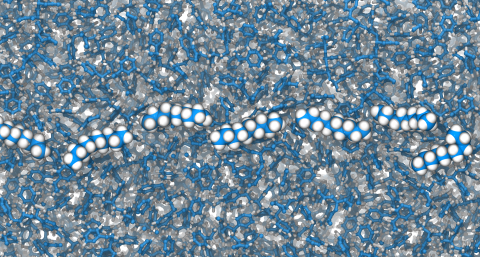
Extract Preparation in Chemical Characterization Studies – Evaporation
Categories:
Lab Method
The Evaporation tool provides a predictive model for estimation of the recovery of analytes in chemical characterization studies following concentration through rotary evaporation or nitrogen blowdown.
Program Areas:
Materials and Chemical Characterization
The Linear Fit Tool (LiFT) for Orthopedic Device Testing
This regulatory science tool (RST) is a MATLAB script that automates the determination of stiffness from the slope of a linear region from mechanical test data using an algorithm that is in compliance with ASTM E3076-18 [1]. Specifically, it analyzes test data (i.e., force-displacement curve or torque-angle curve) and then generates output parameters including bending and torsional stiffness typically requested in the preclinical mechanical performance test standards, ASTM F3574 [2] and ASTM F2267 [3].
Program Areas:
Orthopedic Devices
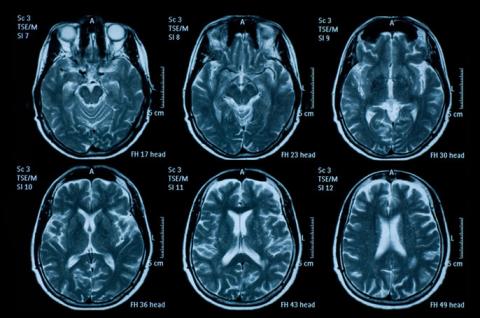
DxGoals: A Software Tool for Determining, Visualizing, and Analyzing Performance Goals for Diagnostic Test Classification Accuracy
Categories:
Computer Model
DxGoals is a freely-accessible, RShiny software application that is intended to determine and visualize performance goals for common diagnostic test classification accuracy metrics including sensitivity, specificity, positive likelihood ratio, and negative likelihood ratio. Model outputs are dependent on user inputs of desired risk stratification (pre- and post-test probabilities of the target condition). The tool also analyzes whether goals are met with statistical significance.
- Github Webpage: https://github.com/DIDSR/DxGoals
- Link to Software: https://fda-cdrh-osel-didsr-rst.shinyapps.io/DxGoals/
Computational Model for Li/SVO-CFx Batteries used in Implantable Medical Devices
Categories:
Computer Model
This regulatory science tool (RST) is a computational model for predicting implantable lithium battery temperature, remaining capacity and longevity.
Program Areas:
Electromagnetic and Electrical Safety
A Link-Level Traffic Modeling Method for Networked Medical Extended Reality (MXR) Applications
Categories:
Lab Method
This regulatory science tool is a method that models the link-level traffic patterns in medical extended reality (MXR) applications, which is intended to help recognize application-specific data transmission requirements in IP-based connected medical devices.
Program Areas:
Electromagnetic and Electrical Safety
Test Field Diversity Method Using a Tabletop E-field Generator: In vitro Transfer Function Model Validation for Implantable Medical Device Safety Assessment in 1.5T and 3T MRI
Categories:
Lab Method
This regulatory science tool describes a method which can be utilized in the Magnetic Resonance Imaging (MRI) safety assessment of implantable medical devices to assist in the prediction of potential RF-induced heating in the human body (or induced voltage in the device) in clinical 1.5T and 3T MRI scanners.
Program Areas:
Electromagnetic and Electrical Safety
A Transfer Function Measurement System for MRI Safety Assessment of Implantable Medical Devices in Curved Trajectories
Categories:
Lab Method
This regulatory science tool presents an apparatus to measure transfer functions (TF) of implantable medical devices in curved trajectories for MRI safety assessment.
Program Areas:
Electromagnetic and Electrical Safety
Dataset of Infrared Facial and Oral Temperatures from Human Volunteers
Categories:
Dataset
This regulatory science tool (RST) is a dataset of facial and oral temperatures collected from infrared thermography of more than1000 human volunteers that may be helpful in evaluating the performance of thermal imaging systems and thermometers.

TorchSurv: Deep Learning Tools for Survival Analysis
Categories:
Computer Model
This regulatory science tool is an AI model tool used for developing and evaluating deep learning-based survival models.
Measuring Flow Resistivity in Microfluidics-Based Medical Devices
Categories:
Lab Method
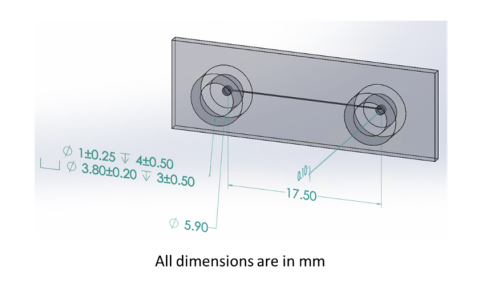
This regulatory science tool is a lab method to measure flow resistivity in microfluidic-based devices, which may be used to identify flow-related failure modes (e.g., bubbles, leakage).
Program Areas:
Microfluidics